|
|||
|
|
|||
|
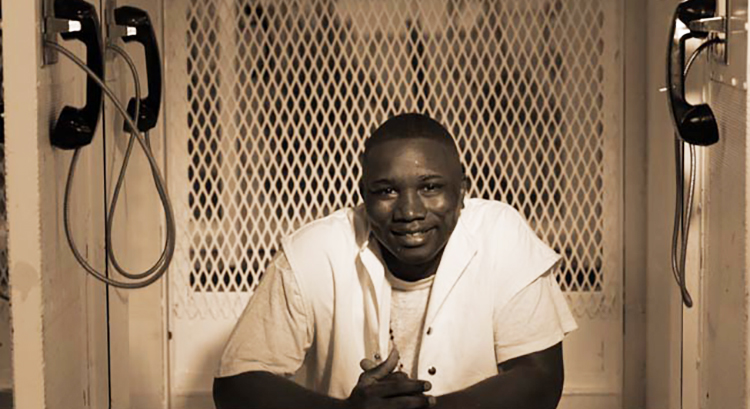
TEXAS: Justices hear arguments in "Texas Seven" case During a hearing in Waco on Wednesday, the Texas Court of Criminal Appeals heard a case involving one of the "Texas Seven," a group of inmates who broke out of prison and then killed a police officer. The appeal was made by Joseph Garcia, a 33-year-old who was part of the gang. His attorneys argued his death sentence should be set aside and he should be given a new trial because of procedural errors. Garcia was convicted of capital murder after he and the other escapees shot 29-year-old Irving police officer Abry Hawkins 11 times. Hawkins was responding to a call at a sporting goods store the men robbed on Christmas Eve 2000, 11 days after their escape from a prison near San Antonio. In a brief filed with the court, Garcia's attorneys alleged 13 points of error. On Wednesday, they focused on the court's allowing testimony about the men's escape to be introduced during the guilt/innocence phase of the trial. The escape is a so-called "extraneous offense" and should have triggered a special instruction from the judge, argued one of Garcia's attorneys, Matt Fry Jr. of Dallas. The jury should have been told to consider the information only as it might relate to Garcia's motive or intent, not to determine his guilt, Fry said. Instead, the testimony was allowed without such a "limiting instruction" because the court ruled it showed the context in which the crime was committed. Fry said such a move was wrong because the escape is not contextual to the murder since the 2 incidents occurred 11 days and hundreds of miles apart. "It was crucial that the jury in these circumstances be informed of how they could use that information and that it had to be limited to the intent and motive ... and not to label Mr. Garcia as a criminal generally," Fry said. The attorney arguing the case for the state, Dallas County Assistant District Attorney Johanna H. Kubalak, said the way the information was introduced was appropriate because the murder was part of a single conspiracy that started with the men's prison break and ended with their capture in Colorado a month later. "It's an unusual situation here," Kubalak said. "...Everything was done in the furtherance of their escape." Even if the evidence was introduced the wrong way, it didn't sway jurors in their decision to convict, Kubalak further argued. The court will issue an opinion on the case after deliberating at a later date. |
|||