News

Print

San Antonio Express-News -

Texas punishes another inmate in a cruel, unusual manner

Imagine that you are Frances Newton.

You're black, you're 39 years old, and you're one of nine women on death row in Texas. You've been in prison since April 1987, when your husband, Adrian, your 7-year-old son, Alton, and your baby daughter, Farrah, were murdered in Houston.

Prosecutors say you killed your family to collect $100,000 in insurance. You say you're innocent.

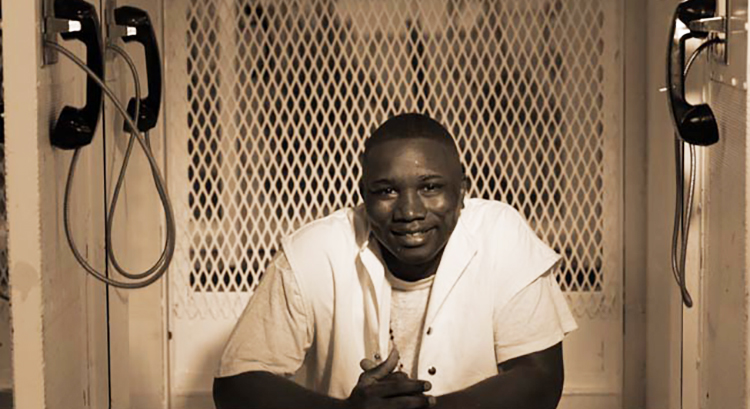
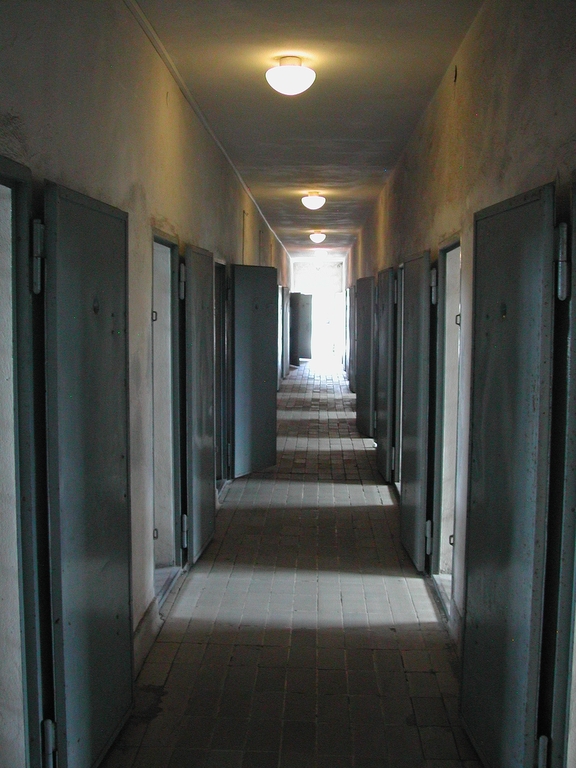
It's Wednesday, the day you're scheduled to die. You're placed in a cell adjacent to the death chamber in Huntsville, a cell smaller than the infamous cells in Abu Ghraib Prison in Iraq.

You're stripped naked and searched, presumably to make sure you don't kill yourself before Texas does.

There's nothing to do but wait for a life-or-death telephone call. If the call doesn't come, you're going to be strapped down on a gurney, $87 worth of lethal drugs will be pumped into your veins, and you'll be dead in less than 10 minutes.

This will happen even though the U.S. Supreme Court has continually rebuked the state of Texas for the unjust way it manages capital punishment.

Make no mistake: There's nothing fair about the way the death penalty is administered in Texas. Two years ago, in an appeal of a Texas case, the U.S. Supreme Court banned executions of the mentally retarded. Recently, the Supreme Court took a Texas court to task in a death penalty case for ignoring proper jury instructions.

In Texas, at least four inmates have been executed after lawyers failed to file federal appeals in time. We lead the country in executions and have no public defenders for capital appeals.

The Houston Police Department's crime lab is so unreliable that Houston Police Chief Harold Hutt has called for a moratorium on all executions from Houston.

You're Frances Newton. You're from Houston, and there is no moratorium on the death penalty.

Hours pass. You tap your foot, waiting on a telephone call from Gov. Rick Perry. You have little hope. Last May, the six-member Texas Board of Pardons and Paroles recommended that the life of a mentally ill man convicted of murder be spared. Perry said no, and the inmate was executed.

Heaven knows, there are no wussies on the Texas Board of Pardons and Paroles. Usually, the board just rubber-stamps the rejections of requests by condemned inmates.

But, lo and behold, the board voted Tuesday 5-1 to stop your execution and allow new tests on key evidence in your case.

Will Perry say no to you as well?

You pass the time thinking about what you'll write in your final statement. Two hours before you are scheduled to die, the telephone rings.

Miracle of miracles, Perry agrees with the parole board, even though the governor says in a statement: "I see no evidence of innocence."

You have four more months to live. Do you feel relieved or just exhausted? You go back to your cell.

An hour later, at 7 p.m., you tell yourself: "60 minutes have passed since I was supposed to die, but I'm still alive."

So here's the bottom line: If you're Newton, how could you believe that the Texas death penalty is anything other than cruel and unusual? If you're not Newton, how can you let the state of Texas apply the death penalty in such an unfair way in your name with your tax dollars?

An hour after Newton was scheduled to die, Sister Helen Prejean, the Catholic nun whose book "Dead Man Walking" helped spark a national campaign for a moratorium on the death penalty, spoke to a crowd at Travis Park United Methodist Church in San Antonio.

She commended Perry for staying Newton's execution but said the entire process of waiting for the reprieve is inhumane in itself.

"More and more, Texas is standing out as a killing field, even as the rest of the country quietly puts away the machinery of death," she said.

Sister Helen is correct. Last year, the outgoing governor of Illinois cleared out the nation's eighth-biggest death row. In June, New York's highest court threw out the state's death-penalty laws. In the past few years, dozens of inmates have been released from death rows after being exonerated.

Will Newton be one of them? She has 4 months to make her case. If she doesn't, the process of waiting for the telephone call will begin all over.