News

Print


THOU SHALT NOT KILL 

QUINTO:NON UCCIDERE

Condannati a morte raccontano il segreto della vita


Un film documentario

di Mario Marazziti


(Sarà trasmesso domenica 3 aprile 2005)

RAI UNO – Speciale TG1 – 22.45


English

Sinossi

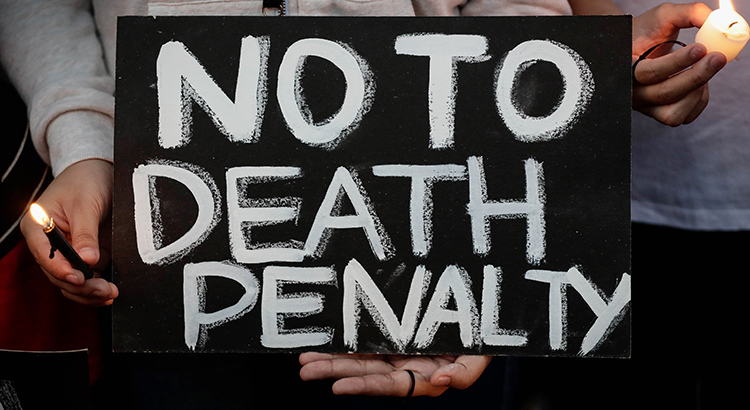
 Pochi hanno mai attraversato il portone e le porte antiproiettile che conducono dentro un carcere. Pochissimi hanno attraversato la soglia di un braccio della morte. Quasi nessuno ha mai visto la camera della morte e quello che succede intorno a una esecuzione. La pena di morte come specchio dell’anima e di una società.

Questo film-documentario conduce oltre il muro e conduce passo passo dentro i meccanismi della vita e della fine della vita. E’ il risultato di un percorso di ascolto e di comprensione del sistema carcerario, della violenza che porta dentro al braccio della morte e di quella che si genera nel braccio della morte. E’ uno spaccato, dall’interno, anche del cuore umano, di come si può cambiare, delle responsabilità, di ciò che è umano e ciò che non lo è, degli errori umani e della forza della burocrazia della giustizia, delle contraddizioni di una società che per fermare la violenza amministra la violenza.

Cinque storie che si intrecciano, e alla fine un affresco sulla pena capitale in Texas, lo stato americano che amministra da solo metà delle esecuzioni in America. Un affresco per capire cosa è la pena di morte in ogni parte del mondo.Tre condannati a morte, Dominique Green, Eddie Johnson, John Paul Penry, e due figure-chiave del sistema: il reverendo Carroll Pickett, cappellano della camera della morte, e Jim Willett, warden di Walls Unit, Huntsville, dove avvengono le esecuzioni. E il mondo attorno, i valori, i sogni, i drammi, le speranze.

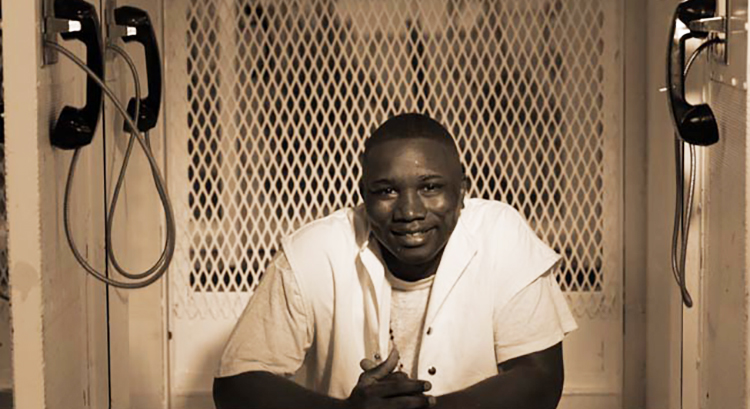
Un film sulla pena di morte e i suoi meccanismi. Al centro della vicenda la storia di Dominique Green, un giovane afro-americano, accusato di omicidio, rinchiuso da più di sette anni nel braccio della morte di Livingston, nel Texas. Il film segue, passo dopo passo, la tragica successione di eventi che ha portato alla morte di Dominique Green,  giustiziato a Huntsville il 26 ottobre del 2004, nonostante si sia dichiarato innocente fino all’ultimo. E segue la crescita umana e spirituale di un uomo molto diverso dal ragazzo coinvolto in una tragica rapina e in un processo gravato da molti pregiudizi razziali, assenza di difesa. Ne emerge la personalità ricca di un giovane uomo che scrive, dipinge, matura una filosofia della non-resistenza al sistema carcerario e ai meccanismi di dis-umanizzazione che precedono l’eliminazione di un essere umano. Unico condannato, a 18 anni,  come responsabile di un omicidio senza testimoni oculari, con una giuria senza neri, un bianco parte della banda, confesso, lasciato fuori dal processo, e gli altri due neri che hanno scaricato sul più debole la responsabilità. Accanto al protagonista si alternano figure di condannati a morte in attesa di esecuzione, come Eddie Johnson, minorenne al tempo del crimine per cui è stato condannato,  e John Paul Penry, mentally challenged, da 25 anni nel braccio della morte, l’unico per cui due volte la Corte Suprema ha annullato la sentenza, e d nuovo condannato a morte da una corte texana. E persone di primo piano del sistema carcerario: Il reverendo Carroll Pickett,  che ha accompagnato 95 condannati nell’ultimo giorno di vita e Jim Willett,  warden,che  è stato per molti anni il responsabile principale della macchina di reclusione, punizione e giustizia-esecuzione.

Alla fine del viaggio nel profondo della pena capitale e del mistero della vita e della morte, molta saggezza su cosa conta e cosa non conta nella vita, e la scoperta che c’è molta vita là dove la vita  è umiliata, svanisce e ne rimane poca (sembra agli sgoccioli).


 Synopsis

 Few people have gone behind prison bars. Very few have crossed the threshold of Death Row. And even fewer have seen the “death room” and witnessed the events surrounding an execution. The death penalty is like a mirror of the soul and of society.

This documentary film takes viewers behind prison walls and leads them step by step into life and the end of life in prison. The film is the result of a journey of listening and attempting to understand the prison system, the violence that leads someone onto Death Row and the violence Death Row generates. It is an inside view -- including into the human heart -- into how someone can change, into responsibility, into what is human and what is not, into human errors, into the bureaucracy of justice and into the contradictions of a society trying to stop violence by using violence.

Five stories are intertwined and, in the end, paint a vivid picture of the death penalty in Texas, the state that alone is responsible for half the capital executions carried out in the United States. The painting helps viewers realize what the death penalty is, wherever it is used. The film features interviews with three men condemned to death: Dominique Green, Eddie Johnson and John Paul Penry; and with two key figures in the system: the Rev. Carroll Pickett, the death house chaplain, and Jim Willett, the warden of the Walls Unit in Huntsville where the executions are carried out. The film also gives a sense of the world around the death house -- the values, dreams, dramas and hopes of people inside and out.

It is a film on the death penalty and how it works. At the centre of the story, there is a young African-American, who was accused of murder when he was 18, and spent more than eleven years on Death Row in Livingston, Texas. The film follows, step by step, the tragic series of events that ended with his death,  the death of Dominique Green, executed in Huntsville October 26, 2004, despite his claims of innocence and the last-minute discovery that local police had concealed evidence relating to 8,000 cases, including Green’s.

We see the human and spiritual maturing of a man who is much different from the teenager involved in a tragic robbery and in a trial marked by racial prejudice and inadequate legal defense. The Dominique who is about to die writes, paints and shares his philosophy of non-violence and of not resisting the prison system, yet not giving in to the system’s attempts to de-humanize him before eliminating him. Although four young men took part in the robbery in which a man died, Dominique was the only one condemned to death. There were no eyewitnesses. There were no blacks on the jury. The white youth who confessed to being part of the robbery was never even tried. The two other black youths placed the blame on the weakest member of the group.

Alongside Dominique, the film tells the stories of two other condemned men awaiting execution: Eddie Johnson, convicted and condemned to die for a crime he committed as a minor; and John Paul Penry, a mentally-challenged man who has been on Death Row for 25 years. Penry is the only man to have had his sentence overturned twice by the Supreme Court only to be newly condemned to die by a Texas court. Then there are the frontline players on the part of the prison: the Rev. Carroll Pickett, who stood alongside 95 convicts on the last day of their lives; and Jim Willett, the warden, who for many years held chief responsibility for imprisonment, punishment, rehabilitation and justice-executions in Huntsville. 

The voyage to the depths of capital punishment and the mystery of life and death leads, in the end, to wisdom about what counts and what does not count in life and to the discovery that there is life and dignity even where life is humiliated, fades and slowly drips away.